
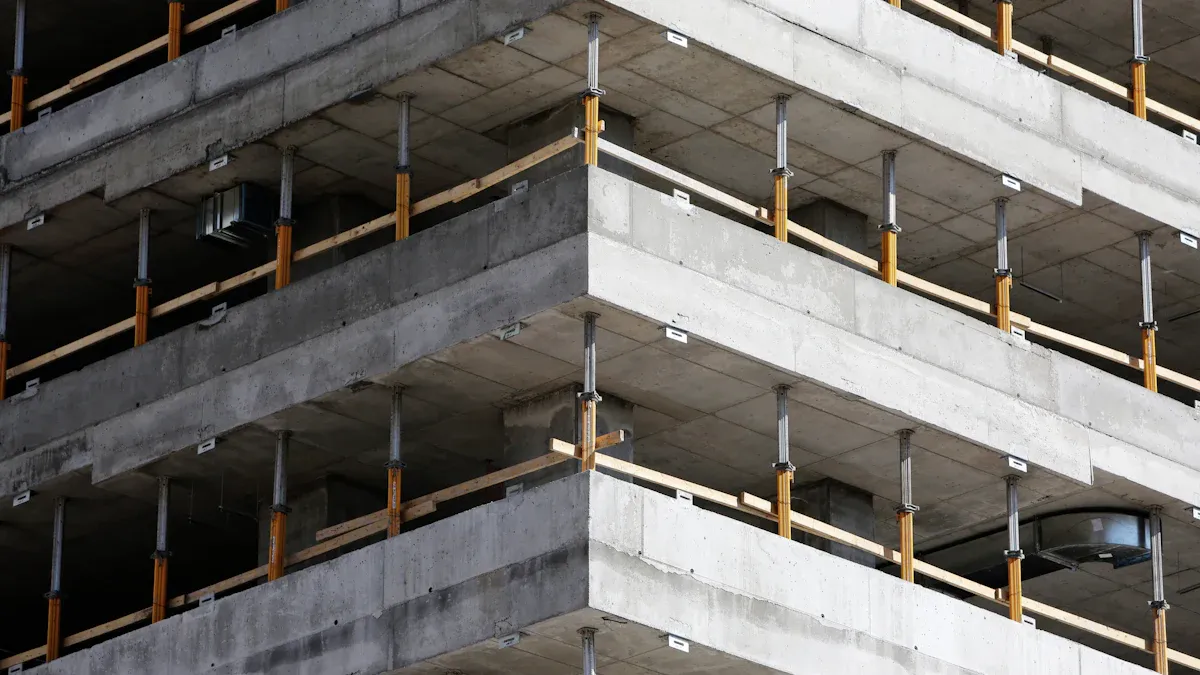
Choosing the right galvanized steel for your outdoor projects starts with understanding your needs. You should match steel type, zinc coating, and thickness to the environment and how long you want your project to last. Galvanized steel offers tensile strength between 50–290 ksi and zinc coatings from 0.2–4 mils, which help protect your projects for up to 50 years. Many ask, why did galvanized steel become popular? The answer lies in its strong weather resistance and durability. Always check that your galvanized material meets strict standards and comes from a trusted supplier.
Why Did Galvanized Steel Become Popular for Outdoor Projects?
Galvanized Steel Advantages
You might wonder, why did galvanized steel become popular for outdoor projects? The answer starts with its unique properties. Galvanized steel uses a protective zinc layer that shields the metal from rust and corrosion. This rust protection means your outdoor structures last much longer, even in tough weather. The zinc coating forms a strong bond with the steel, making it hard for moisture or oxygen to reach the metal underneath. This process gives you a rust-resistant material that stands up to rain, snow, and salty air.
- Galvanized steel enclosures can last more than 50 years in rural areas.
- In harsh urban or coastal environments, you still get 20-25 years of reliable service.
- The protective zinc layer offers strong corrosion resistance, making it ideal for outdoor use.
- Galvanized steel is more affordable than stainless steel but still provides excellent rust protection.
- The metallurgical bond between steel and zinc resists damage during transport and installation.
You see these galvanized steel advantages in many outdoor projects, from fences to bridges. The long lifespan and low maintenance needs make it a smart choice.
Benefits of Galvanized Steel
The benefits of galvanized steel go beyond just rust resistance. You save money over time because you do not need to replace or repair your structures as often. Galvanized steel can last over 50 years outdoors, which means fewer headaches for you. Its corrosion resistance lowers maintenance costs and keeps your projects looking good.
| Performance Aspect | Statistic / Description |
|---|---|
| Service Life | Over 50 years (American Iron and Steel Institute) |
| Zinc Coating Protection | Zinc coating (~85 g/m²) gives over 30 years of corrosion protection |
| Maintenance Cycle | 15 years for galvanized steel vs. 5-10 years for ordinary steel |
| Cost Effectiveness | About 20% savings in annual maintenance costs compared to painted materials |
| Lifespan in Industrial Areas | Up to 40 years; can double in dry areas |
You also help the environment. Galvanized steel has over 80% recyclability and can reduce your project’s carbon footprint by about 20% compared to traditional materials. The protective zinc layer and rust protection make galvanized steel a top pick for anyone who wants durability, cost savings, and sustainability. That is why did galvanized steel become popular for outdoor projects—it gives you reliable, rust-resistant, and long-lasting results.
Galvanized Steel Uses in Outdoor Applications
Common Outdoor Uses
You see galvanized steel in many outdoor construction projects. Its strength and resistance to rust make it a top choice for builders and engineers. Galvanized steel pipe and galvanized steel angles appear in fences, gates, and handrails. You also find these materials in bridges, walkways, and playground equipment.
- Galvanized steel pipe is common in water supply lines, outdoor plumbing, and irrigation systems.
- Galvanized steel angles support roof trusses, beams, and columns in construction projects.
- You see galvanized steel pipe in street lighting poles and signposts.
- Galvanized steel angles reinforce agricultural buildings, barns, and greenhouses.
- Many construction projects use galvanized steel for guardrails, highway barriers, and transmission towers.
| Usage Aspect | Empirical Data / Statistic | Outdoor Application Example |
|---|---|---|
| Longevity | Hot-dip galvanized steel lasts 70+ years in industrial areas, 100+ years in rural areas without maintenance | Outdoor infrastructure, rural constructions |
| Load-Bearing Capacity | Up to 50,000 psi | Bridges, transmission towers, agricultural equipment |
| Coating Thickness | Over 3.9 mils required for marine environments | Marine and coastal outdoor structures |
| Common Outdoor Uses | Structural components (trusses, beams, columns), agricultural facilities, energy transmission towers | Construction, agriculture, energy, infrastructure |
You can rely on galvanized steel pipe and galvanized steel angles for both small and large construction projects. Their uses cover everything from simple fences to complex infrastructure.
Why Galvanized Steel is Preferred
You might wonder why experts choose galvanized steel for outdoor applications. The answer comes from its unique properties and cost benefits. Galvanized steel pipe and galvanized steel angles resist corrosion, even in harsh weather. The zinc coating acts as a shield, protecting the steel from rain, snow, and salty air. This makes galvanized steel a practical choice for construction projects that face tough outdoor conditions.
- Galvanized steel offers a balance of durability and affordability.
- The zinc layer on galvanized steel pipe and galvanized steel angles serves as a sacrificial barrier, stopping rust before it reaches the steel.
- You get strong protection without paying the high price of stainless steel.
- Construction projects benefit from the long service life and low maintenance needs of galvanized steel.
- Experts trust galvanized steel for outdoor enclosures, bridges, and energy towers because it stands up to weathering and oxidation.
A study in a marine environment showed that galvanized steel kept about 63% of its toughness after three years, while regular steel lost strength much faster. Even when pollution increased, galvanized steel’s corrosion rate stayed low. This proves that galvanized steel pipe and galvanized steel angles work well in outdoor applications, giving you peace of mind for your construction project.
Tip: Choose galvanized steel for your next construction project if you want a material that lasts, saves money, and protects against the elements.
Types of Galvanized Steel for Outdoor Projects
Hot-Dip Galvanized Steel
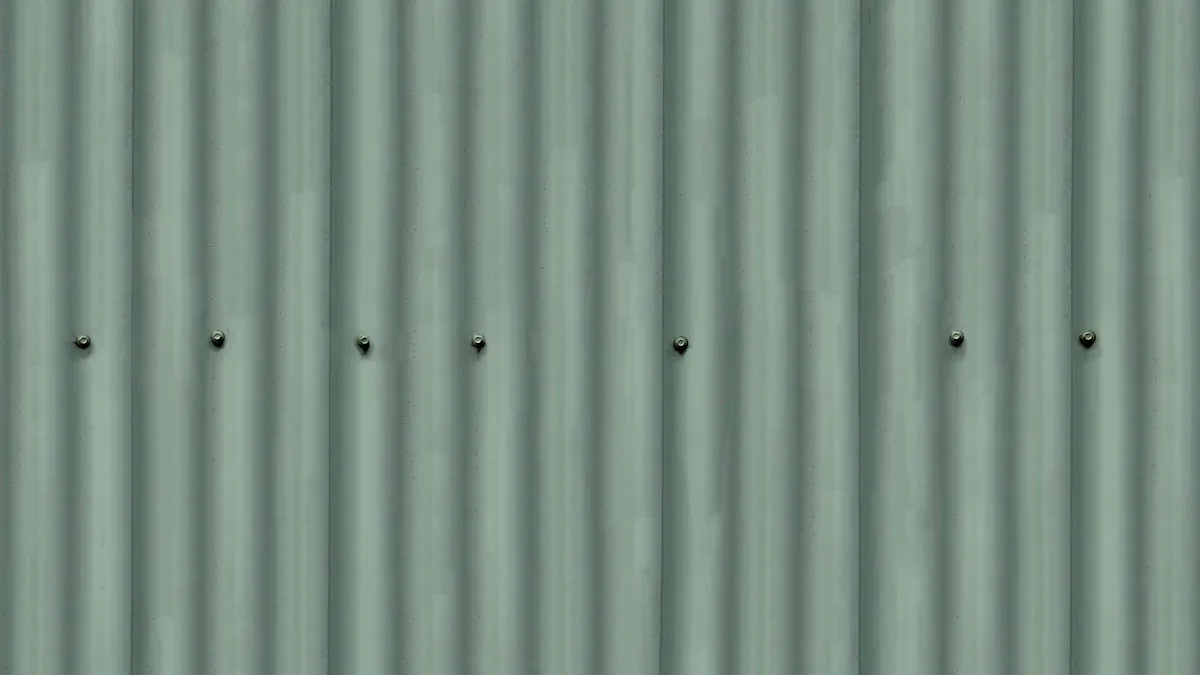
You will find that hot-dip galvanized steel is the most common choice for outdoor projects. This process dips steel into molten zinc, creating a thick, durable coating. The zinc layer forms a strong bond with the steel, protecting it from rust and corrosion. Hot-dip galvanized steel meets strict standards like ASTM A123 and can last 20 to 50 years, even in tough environments. The coating thickness ranges from 3.0 to 5.0 mils, which gives you excellent protection in rural, urban, and marine settings.
- Hot-dip galvanized steel resists damage from moisture, pollutants, and salt.
- You can use it for fences, bridges, and outdoor structures that need long service life.
- The zinc coating acts as a barrier and a sacrificial layer, so your steel stays strong.
Tip: Hot-dip galvanized steel needs little maintenance. You only need to inspect it sometimes for scratches or damage.
Electro-Galvanized Steel
Electro-galvanized steel uses an electric current to apply a thin zinc layer to the steel surface. This method gives you a smooth, shiny finish but a thinner coating than hot-dip galvanized steel. The coating thickness usually ranges from 0.2 to 1.0 mils. Electro-galvanized steel works well for projects where appearance matters and where you do not expect harsh weather or heavy wear.
| Attribute | Hot-Dip Galvanized Steel | Electro-Galvanized Steel |
|---|---|---|
| Coating Thickness | 3.0 – 5.0 mils | 0.2 – 1.0 mils |
| Service Life | 20-50 years | 10-20 years |
| Maintenance Needs | Minimal | Regular inspection |
| Best Use | Outdoor, heavy-duty | Indoor, light-duty |
You might choose electro-galvanized steel for handrails, light fixtures, or decorative outdoor items. However, it needs more frequent checks and touch-ups if exposed to rain or salt.
Pre-Galvanized Steel
Pre-galvanized steel gets its zinc coating before you shape it into the final product. Manufacturers run steel sheets through a zinc bath, then cut and form them. This method gives you a uniform coating, but the edges and welds may have less protection. Pre-galvanized steel works best for products made from steel sheets, like ducts, pipes, and some fencing.
- Pre-galvanized steel offers good corrosion resistance for mild outdoor conditions.
- You should avoid using it in places with high moisture or salt, as the cut edges can rust faster.
Note: Always check if your project needs extra protection at joints or cut edges when using pre-galvanized steel.
Each type of galvanized steel has strengths and best uses. Hot-dip galvanized steel gives you the longest life and best protection for outdoor projects. Electro-galvanized steel and pre-galvanized steel work well for lighter or less exposed applications.
Best Types for Outdoor Use
When you choose galvanized steel for outdoor projects, you want the best type for your needs. Not all galvanized steel works the same way outside. Some types last longer and protect better against weather, moisture, and pollution.
You should look at these top choices for outdoor use:
Hot-Dip Galvanized Steel
This type gives you the thickest zinc coating. The steel goes into a bath of molten zinc, which covers every part. You get strong protection from rust, even in harsh weather. Hot-dip galvanized steel works well for fences, bridges, and outdoor furniture. You can trust it to last for decades with little care.Galvanized Structural Shapes and Pipes
These products use hot-dip galvanizing or pre-galvanizing. You see them in guardrails, posts, and playground equipment. The zinc layer shields the steel from rain and sun. You get both strength and safety for your projects.Pre-Galvanized Steel (for Light Structures)
Pre-galvanized steel works for items like ducts, small gates, or sheds. The coating is thinner than hot-dip, but it still gives good rust resistance in mild climates. You should seal cut edges or welds to stop rust from starting there.
Tip: Always check the coating thickness. Thicker coatings last longer outside. Ask your supplier for the zinc thickness in mils or microns.
Here is a quick table to help you compare:
| Type | Best For | Lifespan (Years) | Maintenance |
|---|---|---|---|
| Hot-Dip Galvanized Steel | Heavy-duty, exposed areas | 20-50+ | Low |
| Pre-Galvanized Steel | Light-duty, mild climates | 10-20 | Medium |
| Electro-Galvanized Steel | Decorative, indoor | 5-10 | High |
You get the best results when you match the steel type to your project’s needs. For outdoor use, hot-dip galvanized steel stands out as the top choice.
Key Factors When Choosing Galvanized Steel
Environmental Exposure
You need to think about the environment where you will use galvanized steel pipe or galvanized steel angles. The weather and surroundings can change how long your construction project lasts. If you build near the ocean, salt in the air can speed up corrosion. In cities, air pollution and acid rain can break down the zinc coating on galvanized steel. High humidity, frequent rain, and even moss or lichen can hold moisture against the metal, making rust more likely.
Corrosion measurements from long-term studies show that soil, water, and air conditions all affect how fast galvanized steel breaks down. For example, high humidity above 60% can damage the protective zinc layer. Salt from the sea or from winter road treatments can eat away at the coating. If you use galvanized steel pipe in a place with lots of sulfur dioxide or acid rain, you may see the zinc layer wear out faster.
| Environment Type | Estimated Lifespan | Notes |
|---|---|---|
| Rural areas | Over 50 years | Low humidity and pollution; minimal zinc loss |
| Urban/industrial areas | 20 to 40 years | Pollution and acid rain speed up corrosion |
| Coastal/high-humidity zones | 10 to 20 years | Salt and moisture increase corrosion; thick coatings recommended |
Tip: Always match the zinc coating thickness to your environment. Thicker coatings last longer in harsh places.
You should also watch for things like cement dust, which contains chemicals that can harm galvanized steel. Even biological growth, like moss, can trap water and speed up corrosion. When you plan your construction project, check the local climate and pollution levels. This helps you choose the right galvanized steel pipe or galvanized steel angles for your needs.
Durability and Lifespan
Durability means how well your galvanized steel stands up to wear, weather, and time. You want your construction project to last as long as possible. The expected lifespan of galvanized steel depends on the zinc coating, the environment, and how you use it. In rural areas, galvanized steel pipe and galvanized steel angles can last over 50 years. In cities or near the ocean, you may see 10 to 40 years, depending on the coating thickness and exposure.
The corrosion resistance of galvanized steel comes from the zinc layer. This layer acts as a shield and even sacrifices itself to protect the steel underneath. If you use galvanized steel in a place with lots of rain, salt, or pollution, you need a thicker zinc coating. Studies show that in brackish water, galvanized steel can last from 2 to 11 years, depending on how much of the pipe stays underwater. In freshwater, hard water is less corrosive than soft water, so your galvanized steel pipe will last longer.
- Choose galvanized steel with a thick zinc coating for the best durability.
- Inspect your galvanized steel angles and pipes for scratches or damage. Even small breaks in the coating can let rust start.
- Use galvanized steel properties, like high corrosion resistance, to your advantage in tough environments.
Note: The right maintenance, like rinsing off salt or chemicals, can add years to your construction project.
Load and Structural Needs
You must consider how much weight or force your construction project will handle. Galvanized steel pipe and galvanized steel angles give strong structural support for many applications. If you build a bridge, fence, or large outdoor structure, you need materials that can hold up under heavy loads and stress.
Galvanized steel angles work well for beams, columns, and frames. They give your project the strength it needs to stay safe and stable. Galvanized steel pipe supports roofs, railings, and even playground equipment. You should check the size, thickness, and shape of the steel to match your project’s needs.
- For heavy-duty construction, pick galvanized steel with a higher thickness and strong welds.
- Use galvanized steel pipe for water lines, handrails, or posts that need to resist bending or breaking.
- Galvanized steel angles add extra support to corners and joints in your construction project.
Callout: Always follow building codes and standards for structural support. This keeps your construction project safe and long-lasting.
When you choose galvanized steel for your construction projects, think about the environment, how long you want it to last, and how much weight it needs to hold. This helps you get the best results for your applications and ensures your project stands the test of time.
Aesthetics and Finish
You want your outdoor project to look good and last a long time. The finish of galvanized steel affects both the appearance and the protection it gives. Hot-dip galvanized steel usually has a matte gray look with a spangled pattern. This finish hides scratches and blends well with outdoor settings. Electro-galvanized steel looks smoother and shinier. You might choose this type if you want a more polished look for railings or decorative items.
Some projects need a certain color or style. You can paint or powder-coat galvanized surfaces to match your design. Always clean and prime the surface before painting. This helps the paint stick and last longer. If you want a modern look, choose a smooth finish. For a rustic or industrial style, the rougher hot-dip finish works well.
Tip: Check if your project needs a specific finish for safety or visibility. For example, playgrounds and public spaces often use bright colors.
A good finish not only makes your project look better but also adds another layer of protection against rust.
Compliance and Standards
You need to make sure your galvanized steel meets the right standards. These rules help you get safe and strong materials for your project. In the United States, ASTM standards set the requirements for galvanized coatings. For example, ASTM A123 covers hot-dip galvanized steel products. ASTM A153 covers galvanized hardware like bolts and nuts.
Always ask your supplier for proof that their products meet these standards. You can look for labels or certificates. Meeting these standards means your galvanized steel will last longer and perform better.
Here is a quick table of common standards:
| Standard | What It Covers | Why It Matters |
|---|---|---|
| ASTM A123 | Hot-dip galvanized steel | Ensures thick, even coating |
| ASTM A153 | Galvanized hardware | Protects bolts, nuts, fasteners |
| ASTM A653 | Pre-galvanized steel sheets | Checks coating on sheet metal |
Note: Using steel that does not meet standards can lead to early rust, weak spots, or even safety problems.
You should always check local building codes. Some areas have extra rules for outdoor structures. Following these rules keeps your project safe and legal.
Budget and Cost
You want to get the best value for your money. Galvanized steel costs more than plain steel but less than stainless steel. The price depends on the type of galvanizing, the thickness of the coating, and the size of your project. Hot-dip galvanized steel usually costs more upfront because of its thick coating and long life. Electro-galvanized steel and pre-galvanized steel cost less but may need more maintenance.
Think about the total cost, not just the price you pay at first. Galvanized steel lasts longer and needs less repair. This saves you money over time. If you choose a thinner coating to save money now, you might pay more for repairs later.
Here are some ways to manage your budget:
- Compare prices from different suppliers.
- Ask about bulk discounts for large projects.
- Choose the right type of galvanized steel for your environment.
- Plan for long-term savings, not just short-term costs.
Callout: Spending a little more on quality galvanized steel now can save you big repair bills in the future.
Always balance your budget with the needs of your project. Good planning helps you get strong, safe, and good-looking results.
Step-by-Step Guide to Selecting Galvanized Steel
Assess Project Environment
Start by looking at where you plan to use galvanized steel. The environment shapes how long your project will last. If you build in a city, you face pollution and acid rain. Near the ocean, salt in the air can speed up rust. In rural areas, you get less pollution, so galvanized steel lasts longer.
You should check for high humidity, frequent rain, or places where water collects. These conditions can wear down the zinc coating faster. If you use galvanized steel pipe for fences or railings near a busy road, road salt in winter can also cause corrosion.
Tip: Always match the zinc coating thickness to your environment. Thicker coatings protect better in harsh places.
Field tests show that different grades of galvanized steel handle tough environments in unique ways. For example, ASTM A653 G90 hot-dip galvanized steel lasts over 1,000 hours in salt spray tests. ZAM-coated steel can last more than 3,000 hours, making it a strong choice for coastal or marine projects. These results prove that you need to pick the right grade and coating for your location.
You can use this table to help decide:
| Environment | Best Coating Type | Coating Thickness | Lifespan Estimate |
|---|---|---|---|
| Rural | HDG (G90) | 70–100 µm | 50+ years |
| Urban/Industrial | HDG (G90), ZAM | 100–150 µm | 20–40 years |
| Coastal/Marine | ZAM, JIS G3302 Z27 | 100–150 µm | 10–20 years |
If you use galvanized steel pipe in a greenhouse or garden, you should also think about fertilizers and chemicals. These can affect the zinc layer and shorten the life of your project.
Determine Strength and Thickness
Next, you need to figure out how strong your galvanized steel must be. Think about what your project will hold or support. If you build a bridge, playground, or large fence, you need thicker and stronger steel. For lighter projects, like garden trellises or small gates, you can use thinner steel.
You should always check the thickness of both the steel and the zinc coating. Thicker steel gives more strength. Thicker zinc coating gives more protection. Use a magnetic thickness gauge to measure the zinc layer. This tool helps you make sure the coating meets standards like ASTM D7091.
- For heavy-duty projects, choose galvanized steel pipe with a thick wall and a heavy zinc coating.
- For light-duty projects, a thinner pipe may work, but always check if it meets your local building codes.
Engineering tests show that thicker coatings help stop cracks and keep water out. This keeps your project strong, even in cold or wet weather. If you use galvanized steel pipe for handrails or posts, make sure the pipe can handle the weight and stress. Crack-bridging ability is important, especially in places with freezing temperatures.
Note: You should always inspect the steel for dents, bends, or weak spots before you start your project.
Choose Coating Type and Thickness
Now, pick the right coating type and thickness for your needs. Hot-dip galvanizing gives you a thick, tough zinc layer. Electro-galvanizing gives a thinner, smoother finish. Pre-galvanized steel works for some projects, but you must protect cut edges and welds.
You should measure the coating thickness before and after cleaning the steel. Use non-destructive gauges to check if the zinc layer meets your project’s requirements. ASTM standards, like ASTM A123 for hot-dip and ASTM A653 for sheets, set the rules for coating thickness.
- Hot-dip galvanized steel pipe works best for outdoor projects that face rain, snow, or salt.
- Electro-galvanized steel pipe is better for indoor or decorative uses.
- Pre-galvanized steel pipe can work for light outdoor projects, but you must seal any exposed edges.
Industry certifications, like those from the American Galvanizers Association, help you check if your steel meets quality standards. You can use inspection apps and guides to look for uniform coverage and good adhesion. If you need extra protection, you can paint or powder-coat the galvanized steel pipe after cleaning. ASTM D6386 recommends painting within 1 to 8 hours after cleaning to stop oxidation.
Callout: Always choose coatings tested for weather resistance. New ASTM standards, like ASTM D7869, use advanced weathering tests to make sure coatings last in real outdoor conditions.
Case studies show that using the right coating and thickness can give you decades of rust-free service. Offshore wind farms use ZAM-coated steel and see lifespans of 60 years with no maintenance. Automotive projects with HDG-coated steel get 15-year warranties against corrosion.
When you follow these steps, you make sure your galvanized steel pipe stands up to the weather, supports your project, and looks good for years.
Match Appearance to Needs
You want your outdoor project to look good and last a long time. The appearance of galvanized steel changes how your project feels and how well it fits your design. You can choose from different finishes and looks, depending on what you need.
Hot-dip galvanized steel gives you a matte gray finish with a spangled pattern. This finish hides scratches and blends well with natural or industrial settings. If you want a smoother and shinier look, electro-galvanized steel works better. This type looks bright and clean, which fits modern or decorative projects.
You can also paint or powder-coat galvanized steel. This lets you match colors or add extra protection. Always clean and prime the surface before painting. Paint sticks better and lasts longer on a clean surface.
Tip: Pick a finish that matches your project’s style and the environment. A rough, matte finish works well for rustic fences. A smooth, shiny finish fits modern railings or playgrounds.
Here is a quick guide to help you choose:
| Finish Type | Best For | Appearance | Extra Steps Needed |
|---|---|---|---|
| Hot-Dip Galvanized | Fences, bridges, farm buildings | Matte, spangled | None |
| Electro-Galvanized | Railings, décor, light fixtures | Smooth, shiny | Regular inspection |
| Painted/Powder-Coated | Playgrounds, public spaces | Any color, smooth | Clean and prime first |
You should always think about how the steel will look after years outside. Some finishes hide dirt and scratches better. Others need more cleaning to stay bright. If you want your project to stand out, choose a bold color or a shiny finish. If you want it to blend in, pick a matte or gray look.
Check Certifications and Standards
You need to make sure your galvanized steel meets the right certifications and standards. These rules help you get safe, strong, and long-lasting materials. Certified steel means you can trust the quality and performance.
Always ask your supplier for proof of certification. Look for labels or documents that show the steel meets standards like ASTM A123 for hot-dip galvanized steel or ASTM A653 for pre-galvanized sheets. These standards set the minimum thickness for zinc coatings and check for even coverage.
Note: Using steel without proper certification can lead to early rust, weak spots, or even safety problems.
Here are some key standards you should know:
- ASTM A123: Covers hot-dip galvanized steel products. Ensures thick, even zinc coating.
- ASTM A153: Applies to galvanized hardware like bolts and nuts.
- ASTM A653: Sets rules for pre-galvanized steel sheets.
- ISO 1461: International standard for hot-dip galvanizing.
You can use this checklist when you buy galvanized steel:
- Ask for certification documents.
- Check the standard number (like ASTM A123) on the paperwork.
- Make sure the coating thickness matches your project’s needs.
- Inspect the steel for even coverage and no bare spots.
- Confirm the supplier’s reputation and reviews.
If you follow these steps, you get steel that lasts longer and keeps your project safe. Certified galvanized steel gives you peace of mind and better results for your outdoor work.
Assessing Quality and Supplier Reliability
Evaluating Steel Quality
You want your outdoor project to last. Start by checking the quality of the galvanized steel. Reliable suppliers use strict tests and inspections to make sure you get strong, safe materials. Look for these quality checks:
- Chemical composition analysis with spectrum analyzers to confirm pure raw materials.
- Physical performance tests to check strength and flexibility.
- Thickness and dimension measurements using precision tools.
- Surface coating inspections to ensure even zinc coverage.
- Mechanical property tests for tensile strength and bending resistance.
- Hardness testing with advanced equipment.
- Internal defect detection using ultrasonic flaw detectors.
- Visual inspections with high-resolution cameras to spot surface defects.
Suppliers also follow important standards. These include ASTM A123, ASTM A653, ISO 1461, and EN 10346. You should ask for Mill Test Certificates (MTCs) and check for ISO 9001 or SGS certifications. These steps help you choose high-quality galvanized steel for your project.
Choosing a Reliable Supplier
A good supplier gives you more than just steel. They provide proof of quality and follow strict processes. Most EU infrastructure projects require EN 10346-certified steel, showing how important certifications are. Reliable suppliers control every step, from surface preparation to post-galvanizing inspections. They keep zinc bath temperatures at 450°C and use proper immersion times. You should also look for sustainability certifications like Cradle-to-Cradle (C2C) or LEED. C2C-certified steel can reach a 95% recycling rate, which is better for the environment.
Here is a table of common tests and standards:
| Test Aspect | Testing Method | Standards |
|---|---|---|
| Surface Quality | Visual Inspection | ASTM A123, ISO 1461 |
| Coating Thickness | Magnetic or eddy current gauge | ASTM A123, ASTM A653 |
| Corrosion Resistance | Salt spray (NSS) test | ASTM B117, ISO 9227 |
| Hardness Test | Rockwell or Vickers hardness test | ASTM E92, ASTM E18 |
Warning Signs to Watch For
You need to spot problems before they cause trouble. Watch for these warning signs:
- Missing or fake certifications.
- Uneven or thin zinc coatings.
- Visible rust, cracks, or dents.
- No Mill Test Certificates or unclear supplier records.
- Poor customer reviews or lack of references.
Tip: Always inspect the steel before you buy. Trustworthy suppliers welcome your questions and provide clear documentation.
Installation and Maintenance for Maximum Longevity
Best Installation Practices
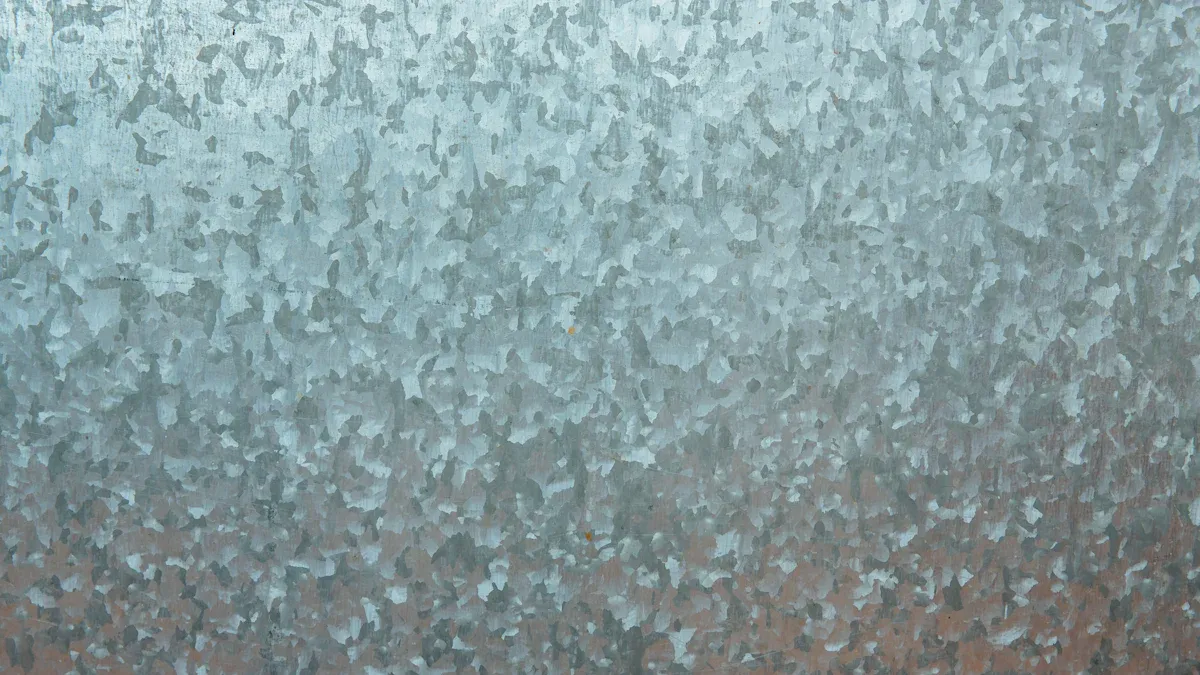
You want your galvanized steel project to last as long as possible. Start with proper installation. Always use clean, contaminant-free steel. This step helps the zinc coating bond tightly to the metal. Hot-dip galvanizing creates a strong zinc layer that protects both inside and outside surfaces. The process works in any weather, so you get a reliable coating every time.
Before installation, check for vent holes in fabricated steel. These holes let cleaning solutions and molten zinc flow through the steel. Without them, pressure can build up and cause safety risks. Vent holes also help the zinc coat every part of the steel, even inside tubes.
When you install bolts or fasteners, use those that meet ASTM standards. Some bolts need special cleaning to avoid hydrogen embrittlement. This keeps your structure safe and strong. If you work with large or heavy pieces, make sure you have trained personnel. Training helps workers follow safety rules and best practices.
Here is a table that shows how good installation and maintenance affect the lifespan of galvanized steel:
| Aspect | Evidence / Statistic |
|---|---|
| Longevity | Well-maintained galvanized steel silos last 20-30 years or more. |
| Quality of Materials | High-quality steel with thick zinc coatings improves corrosion resistance. |
| Maintenance Practices | Regular inspections and timely repairs extend lifespan. |
| Personnel Training | Trained workers ensure best practices and safety. |
| Environmental Monitoring | Sensors for humidity and temperature help adjust maintenance. |
Tip: Always follow manufacturer guidelines for installation. This helps you avoid early rust and damage.
Maintenance Tips
You can keep your galvanized steel looking new with simple maintenance. Start by inspecting your project every few months. Look for scratches, dents, or spots where the zinc coating looks thin. Clean the surface with water and a soft brush. Avoid harsh chemicals that can damage the zinc.
If you see rust or bare spots, use touch-up paint or a zinc-rich spray. This step stops rust from spreading. For large projects, use sensors to monitor humidity and temperature. These tools help you spot problems early.
- Clean surfaces regularly to remove dirt and debris.
- Repair cracks or holes right away to keep the steel strong.
- Use rust inhibitors in areas with high moisture.
- Replace damaged parts as soon as you notice them.
- Train your maintenance team to follow safety and repair protocols.
Hot-dip galvanized steel does not need frequent recoating. The zinc layer protects the steel for decades. With regular care, your project can last 20 to 30 years or more.
Note: Good maintenance saves money and keeps your outdoor project safe and strong.
Quick Checklist for Choosing Galvanized Steel
Before you buy galvanized steel for your outdoor project, use this quick checklist to make smart choices. This list helps you remember the most important steps.
Check Your Environment
Look at where you will use the steel. Is it near the ocean, in a city, or in the countryside? Salt, pollution, and moisture can affect how long the steel lasts.Pick the Right Steel Type
Choose hot-dip galvanized steel for tough outdoor jobs. Use electro-galvanized or pre-galvanized steel for lighter or indoor projects.Measure Coating Thickness
Ask your supplier about the zinc coating thickness. Thicker coatings give better protection against rust.Check for Certifications
Make sure the steel meets standards like ASTM A123 or ISO 1461. Ask for certificates or labels.Inspect for Quality
Look for even zinc coverage. Avoid steel with rust, dents, or bare spots.Match Appearance to Your Needs
Decide if you want a matte, shiny, or painted finish. Pick a look that fits your project.Plan Your Budget
Compare prices and think about long-term savings. Quality steel costs more at first but saves money over time.Choose a Reliable Supplier
Read reviews and ask for references. Good suppliers answer your questions and provide clear documents.
| Step | What to Check | Why It Matters |
|---|---|---|
| Environment | Salt, pollution, moisture | Affects lifespan |
| Steel Type | Hot-dip, electro, pre-galvanized | Matches project needs |
| Coating Thickness | Ask for mils or microns | More zinc means more protection |
| Certifications | ASTM, ISO, EN labels | Proves quality |
| Appearance | Matte, shiny, painted | Fits your design |
🛠️ Tip: Always inspect the steel before you buy. Quality materials help your project last longer and look better.
This checklist gives you a fast way to review your choices. Use it every time you plan a new outdoor project with galvanized steel.
Choosing the right galvanized steel helps your outdoor project last longer and look better. You should match the steel type, coating, and thickness to your environment and needs. Reliable suppliers and certified materials give you peace of mind. Use the checklist to guide your decisions. Remember, good installation and regular maintenance keep your structure strong for years.
- Galvanized steel’s zinc coating protects against rust and weather.
- Quality materials and trusted suppliers ensure durability and warranty support.
- Regular care and inspections help maintain strength and appearance.
- Galvanized steel offers cost savings and supports eco-friendly building.
🛠️ Smart choices today lead to outdoor projects that stand the test of time.
FAQ
What is the best type of galvanized steel for outdoor projects?
You should choose hot-dip galvanized steel for most outdoor projects. This type gives you a thick zinc coating. It protects your project from rust and weather for many years.
How do I know if galvanized steel meets quality standards?
You can ask your supplier for certification documents. Look for standards like ASTM A123 or ISO 1461. These show that your galvanized steel has the right coating thickness and quality.
Can I paint over galvanized steel?
Yes, you can paint over galvanized steel. Clean and prime the surface first. This helps the paint stick better and last longer. Painted galvanized steel can match your design and add extra protection.
What is the safest way to cut galvanized steel pipe?
You can use a pipe cutter, hacksaw, or angle grinder. Always wear gloves and a mask. Cutting releases dust and fumes. If you want to learn how to cut galvanized steel pipe, follow safety tips and use the right tools.