
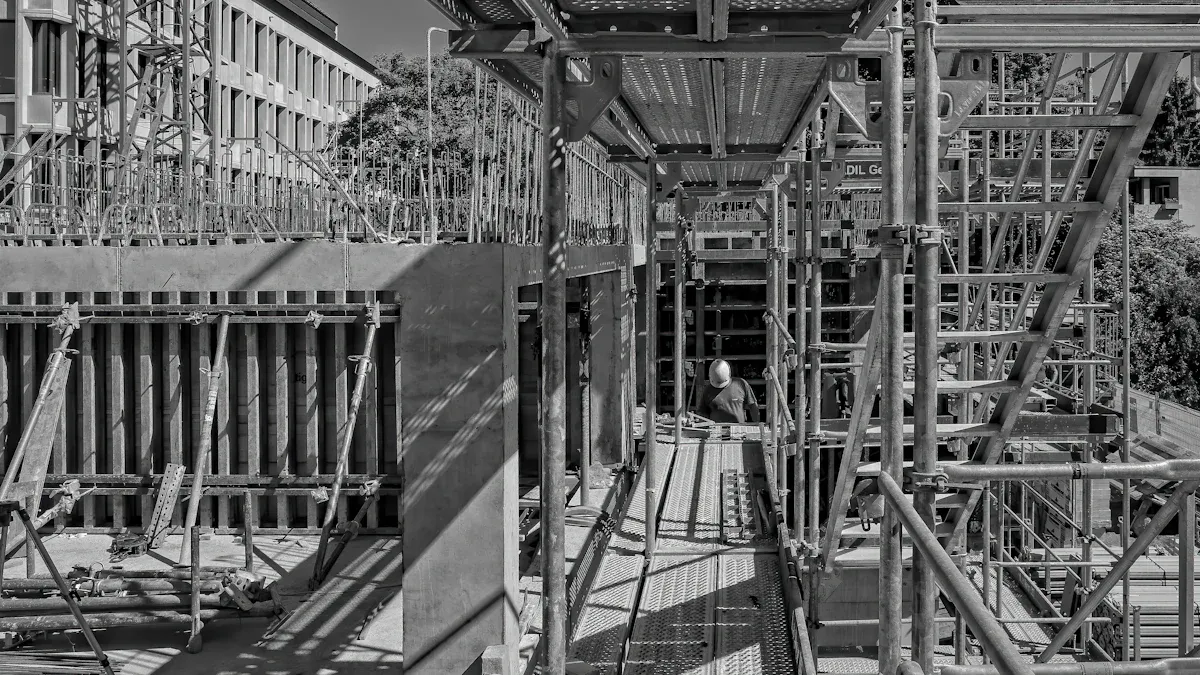
You often see galvanized steel and stainless steel in modern construction because both stand up well to tough conditions. These materials resist corrosion and provide strong, long lasting effectiveness. Builders use galvanized steel versus stainless steel based on how each handles moisture, chemicals, and physical stress. For example, you might find that galvanized steel offers cost savings and solid performance for framing and roofing, while stainless steel lasts longer in harsh, corrosive environments.
| Material Use in Homes | Typical Amount Used (tons) |
|---|---|
| Framing (steel) | 4–6 |
| Roofing/Siding (steel) | 1–2 |
| Doors/Windows/Railings | 1–2 |
Choosing the right type helps you ensure safety and durability over decades.
Galvanized Steel Versus Stainless Steel: What Are They?
When you look at modern construction, you often see the debate of galvanized steel versus stainless steel. Both materials help you build strong, safe, and long-lasting structures. However, they have different compositions and manufacturing methods. Understanding these differences helps you choose the right material for your project.
| Aspect | Galvanized Steel | Stainless Steel |
|---|---|---|
| Composition | Ordinary steel coated with zinc | Alloy with chromium and nickel |
| Corrosion Resistance | Zinc coating blocks moisture and oxygen | Chromium forms a self-healing oxide layer |
| Tensile Strength | 200-400 MPa | 500-800 MPa or higher |
| Weldability | Needs zinc removal for safe welding | Needs precision welding, no coating removal |
| Surface Properties | Hard to paint; needs cleaning and priming | Rarely needs painting; good paint adhesion |
| Cost | Lower initial cost | Higher upfront cost, lower maintenance |
| Maintenance | May need recoating | Needs less maintenance |
| Typical Applications | Framing, roofing, fences, outdoor fixtures | Facades, kitchens, bridges, harsh environments |
| Environmental Impact | Needs zinc and steel mining, recyclable | 100% recyclable, longer lifespan |
Galvanized Steel: Manufacturing and Composition
You get galvanized steel by coating ordinary steel with a layer of zinc. This zinc layer protects the steel from rust and corrosion. The most common method is hot-dip galvanizing. In this process, you dip clean steel into molten zinc at about 450°C. The zinc bonds to the steel and forms several layers. The outer layer is pure zinc, while the inner layers mix zinc and iron. This strong bond gives you a tough and durable surface.
Other methods include mechanical galvanizing, where zinc powder sticks to steel through collision and chemical action, and cold galvanizing, which uses electricity to deposit zinc. After galvanizing, you may see extra treatments to improve corrosion resistance. You must clean and degrease the steel before coating to make sure the zinc sticks well. Galvanized steel works well for large areas and moderate conditions. You often see it in framing, roofing, and fencing.
Stainless Steel: Manufacturing and Composition
Stainless steel is different from galvanized steel. You make stainless steel by mixing iron with chromium and nickel. The chromium forms a thin, invisible layer on the surface. This layer heals itself if scratched, so the steel resists rust and stains. You find several types of stainless steel, such as ferritic, austenitic, and duplex. Each type has special strengths for different uses.
Manufacturers use advanced methods to control the mix of metals and heat treatment. For example, they use machine learning to find the best mix for strength and corrosion resistance. Welding stainless steel takes skill. You must control the heat and use the right filler metals. Stainless steel is strong, shiny, and easy to clean. You see it in bridges, kitchens, and buildings that face harsh weather. It costs more at first but lasts longer and needs less care.
Tip: When you compare galvanized steel versus stainless steel, think about where you will use it, how much you can spend, and how long you want it to last.
Key Properties for Construction Applications
Corrosion Resistance
You want your building materials to last, so corrosion resistance matters a lot. Galvanized steel protects itself with a zinc coating. This layer blocks moisture and oxygen, which helps prevent rust. Electrochemical impedance spectroscopy tests show that galvanized steel performs well in salty environments, like near the ocean. Stainless steel uses chromium to form a thin, invisible layer on its surface. This layer repairs itself if scratched, giving stainless steel excellent corrosion resistance. You often choose stainless steel for places with harsh chemicals or constant moisture. Both materials help you avoid costly repairs from rust, but stainless steel offers the highest level of protection.
Strength and Durability
You need strong materials for safe buildings. Galvanized steel and stainless steel both provide high strength, but stainless steel usually has a higher tensile strength. For example, mild steel has a tensile strength of 400–500 MPa, while stainless steel ranges from 500–2,000 MPa. In some tests, galvanized steel ties in masonry walls kept more of their strength after corrosion than stainless steel ties. This means galvanized steel can perform well in certain conditions. Advances in steel production have made both types more reliable. Modern codes let you use less material while keeping safety high. You get durability and confidence in your structure when you pick the right steel.
Cost and Budget Considerations
You must think about cost when planning a project. Galvanized steel gives you affordability because the zinc coating process is less expensive. This makes it a good choice for large projects with tight budgets. However, you may need to spend more on maintenance over time as the zinc wears off. Stainless steel costs more at first because of its alloying elements and complex production. You save money in the long run, though, because stainless steel needs less maintenance and lasts longer. The table below shows how these materials compare:
| Aspect | Galvanized Steel | Stainless Steel |
|---|---|---|
| Initial Cost | Lower upfront cost | Higher upfront cost |
| Maintenance Cost | Can increase over time | Lower due to corrosion resistance |
| Fabrication Ease | Easier, less specialized labor | Requires skilled labor |
| Lifecycle Cost | May rise with repairs and replacement | More cost-effective over time |
You should weigh initial cost, long-term savings, and the environment where you will use the steel. Stainless steel often wins in harsh settings, while galvanized steel works well for general construction.
Tip: If you want the best balance of cost and performance, match the steel type to your project’s needs and expected exposure.
Weight and Handling
You need to think about weight and handling when you choose materials for your project. Galvanized steel usually weighs less than stainless steel for the same size and shape. This lighter weight makes it easier for you to move, lift, and install. You can often use smaller crews and lighter equipment with galvanized steel. This helps you save time and money during construction.
Stainless steel feels heavier and denser. You may need special tools or extra workers to handle it safely. The extra weight gives you more strength, but it can slow down your work. If you need to build something tall or large, you must plan for the extra load. Stainless steel works best when you need high strength and do not mind the extra weight.
Tip: If you want fast installation and easy handling, galvanized steel gives you an advantage. For projects that need extra strength, stainless steel is a better choice.
Maintenance and Longevity
You want your building to last as long as possible. The right choice between galvanized steel and stainless steel depends on how much care you can give and how long you want the material to last.
- Galvanized steel can last 10-15 years in salty air if you keep up with maintenance. In dry, rural areas, it can last over 50 years.
- You should check galvanized steel every week for signs of rust or damage. Look closely at high-stress spots each month. Every three months, check the coating all over. Once a year, get a professional to inspect it.
- Clean galvanized steel often. Wash off salt with fresh water every week. Use a pH-neutral cleaner each month. Do not use rough tools, or you might damage the zinc layer.
- Good maintenance stops the zinc from wearing away. If the coating fails, rust can start quickly.
Stainless steel needs much less maintenance. Its chromium layer heals itself, so you do not have to worry about frequent cleaning or inspections. You pay more at first, but you save time and money later because it lasts longer and keeps its corrosion resistance.
| Aspect | Stainless Steel | Galvanized Steel |
|---|---|---|
| Corrosion Resistance | High, due to chromium content creating a protective layer | Good, zinc coating acts as sacrificial anode but can deteriorate over time |
| Maintenance | Minimal maintenance required due to self-healing passivation layer | Requires periodic maintenance: inspections, cleaning, touch-ups to prevent corrosion |
| Longevity | Long lifespan, often justifying higher initial cost due to durability | Lifespan varies widely: 10-15 years in saltwater with maintenance, up to 50+ years in rural low-humidity areas |
| Environmental Suitability | Ideal for harsh, corrosive environments and applications needing hygiene and aesthetics | Suitable for outdoor use in less corrosive environments; not recommended for highly corrosive settings |
| Cost | Higher initial cost but lower long-term costs due to durability and low maintenance | Lower initial cost but potentially higher long-term costs due to maintenance and shorter lifespan |
Note: If you want a material that needs little care and lasts a long time, stainless steel is a smart pick. If you can check and clean your project often, galvanized steel can also serve you well.
Common Uses for Galvanized Steel in Construction
Structural Framing and Supports
You often see galvanized steel in the frames and supports of buildings. This material gives you strong beams, columns, and trusses that last for decades. The Niagara Parks Butterfly Conservatory in Ontario used 70 tons of galvanized steel for its support structures. Workers coated the steel with primer and urethane to make it even more durable. This project shows how galvanized steel can protect a building from rust and reduce maintenance. You also find square galvanized steel tubes in multi-story buildings, stadiums, and airports. These tubes work as columns, beams, and roof supports. In South Africa, a container house project used over 120 tons of galvanized tubes. The builders finished the project quickly and saved money compared to concrete. In Canada, greenhouses use galvanized tubes to stand up to snow and chemicals for over ten years without problems. These examples show why galvanized steel is a top choice for many structural applications.
Roofing, Wall Panels, and Fencing
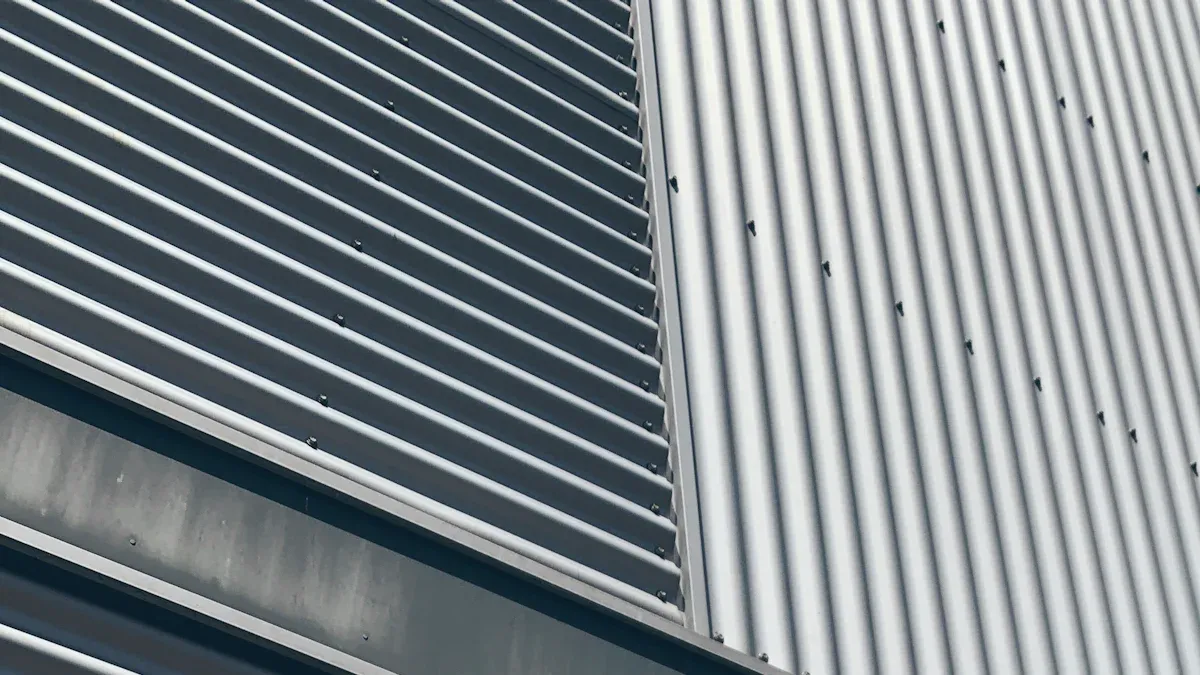
You can use galvanized steel for roofing, wall panels, and fencing in many types of buildings. The construction industry uses more galvanized steel sheets than any other sector. These sheets cover roofs and walls in homes, offices, and factories. They give you strength, durability, and protection from the weather. Galvanized steel holds a large share of the market because it works well in both residential and commercial buildings. You also see it in agricultural fencing and storage sheds. The zinc coating keeps the steel from rusting, even in outdoor applications. As cities grow and new buildings go up, the demand for galvanized steel in these areas keeps rising.
- The construction industry used over 36% of all galvanized steel coils in 2023.
- Galvanized steel is popular for roofing, wall panels, and fencing because it resists corrosion and lasts a long time.
- Farmers use galvanized steel for animal housing and irrigation systems due to its rust resistance.
HVAC Ductwork and Piping
You find galvanized steel in many HVAC ductwork and piping systems. This material gives you strong, fire-resistant ducts that last for years. Galvanized steel ductwork resists mold and pests, making it a safe choice for indoor air systems. You can improve energy efficiency by adding insulation to the ducts. Proper sealing and regular cleaning help your ductwork last longer and work better. Galvanized steel is also recyclable, which helps the environment. Research shows that conventional galvanized steel ductwork is cost-effective and reliable for most applications. You should avoid perforated types, as they do not perform as well. When you plan your HVAC system, galvanized steel gives you a balance of strength, efficiency, and long-term value for both indoor and outdoor applications.
Fasteners, Connectors, and Outdoor Fixtures
You rely on galvanized steel for many fasteners, connectors, and outdoor fixtures in construction. When you build decks, fences, or playgrounds, you want bolts, screws, and brackets that resist rust. Galvanized steel fasteners give you this protection. The zinc coating shields the metal from rain, humidity, and changing temperatures. You can use these fasteners in outdoor applications like garden sheds, gates, and lamp posts. They last longer than regular steel, so you do not need to replace them often.
You also find galvanized steel in connectors that join beams, pipes, and panels. These connectors hold structures together in both homes and commercial buildings. For outdoor projects, you want materials that stand up to weather. Galvanized steel fixtures, such as handrails, benches, and signposts, keep their strength and appearance even after years outside. You save time and money on repairs because these products need less maintenance.
Tip: Always choose galvanized steel fasteners and connectors for outdoor applications. This choice helps your projects last longer and look better.
Agricultural and Utility Applications
You see galvanized steel used widely in agriculture and utility settings. Farmers use it for barns, silos, irrigation pipes, and animal pens. The zinc coating protects these structures from moisture and chemicals found on farms. You can trust galvanized steel to last for decades, even in tough conditions.
In utility applications, galvanized steel plays a key role. Here are some real-world examples:
- The Tulsa Port of Catoosa Substation uses hot-dip galvanized steel for its electrical infrastructure. This ensures reliable service for many years.
- Galvanized steel covers both the inside and outside of pipes and beams. This full coverage stops rust, even where water collects.
- Utility companies use galvanized steel for lattice towers and poles. These structures have supported power lines for over 100 years.
- You can store galvanized steel parts outdoors for long periods without damage. This makes emergency repairs faster and cheaper.
- The Eiffel Tower stands as a famous example of galvanized steel’s durability in outdoor applications.
You benefit from galvanized steel’s long lifespan and low maintenance needs. These qualities make it a smart choice for many applications in farming and utilities.
Common Uses for Stainless Steel in Construction
Architectural Facades and Cladding
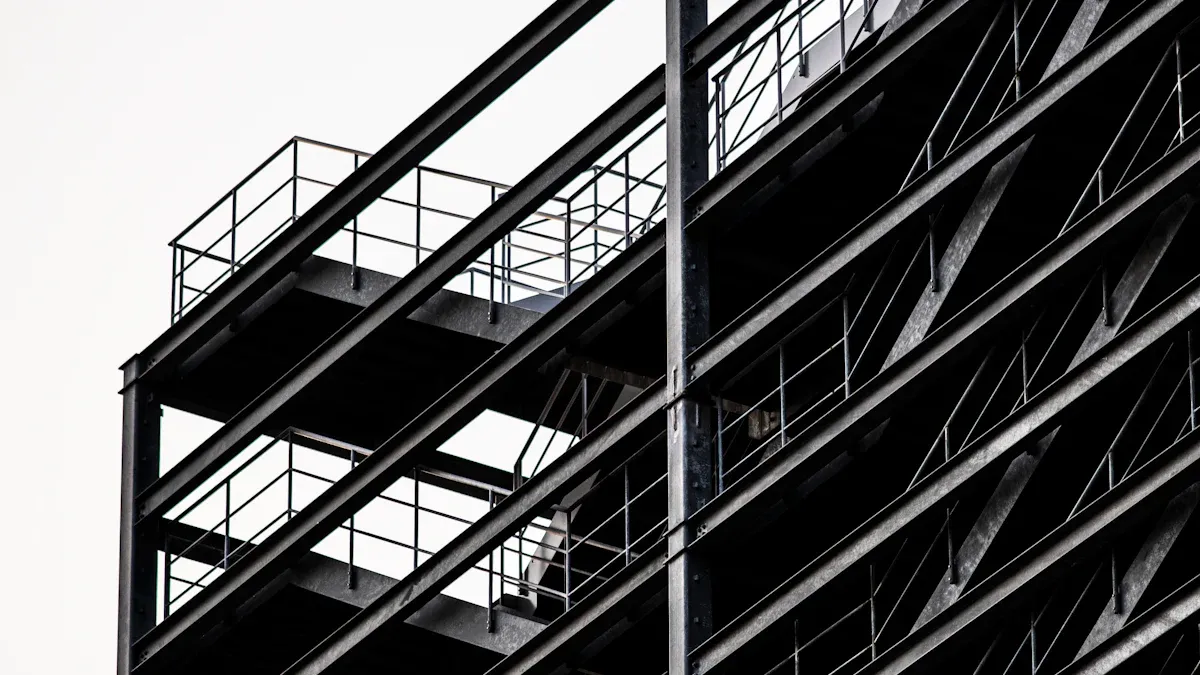
You see stainless steel on many modern buildings because it gives a sleek, shiny look and stands up to harsh weather. Builders use it in Metal Composite Material (MCM) panels for facades. These panels resist corrosion and UV damage, so your building keeps its good looks for years. You can shape or curve these panels to fit creative designs in places like airports, civic centers, and tall office towers. Some famous buildings, such as the Disney Concert Hall and the Shard in London, use stainless steel facades. These projects show how stainless steel can make a building stand out. However, you should know that highly reflective surfaces can cause glare or heat issues for nearby spaces. This means you need to plan carefully when you choose stainless steel for large exterior applications.
- Stainless steel facades offer design flexibility and long-term performance.
- Some buildings, like the Walkie-Talkie skyscraper in London, have shown that reflective facades can affect nearby properties.
Tip: Always consider the environment around your building when you use stainless steel for cladding.
Handrails, Balustrades, and Decorative Elements
You find stainless steel handrails and balustrades in many public and private spaces. These products give you strength, safety, and a modern look. Stainless steel resists rust, so you can use it indoors or outdoors without worry. Many hospitals, schools, and transportation hubs choose stainless steel handrails because they are easy to clean and keep germs away. You also see them in parks, shopping malls, and homes. The construction industry uses stainless steel for decorative elements because it lasts a long time and needs little care. New manufacturing methods let you pick from many shapes and finishes, so you can match any style.
- Stainless steel handrails work well in busy places because they are strong and easy to maintain.
- You can use them in homes, offices, factories, and even on ships.
- Many designers choose stainless steel for its clean look and lasting value.
Commercial Kitchens and Food Processing Facilities
You need stainless steel in commercial kitchens and food processing plants because it keeps food safe and equipment clean. Stainless steel 304 and 316 are the most common grades for these applications. They resist rust, stains, and damage from cleaning chemicals. You find stainless steel in sinks, countertops, ovens, and storage racks. Tests show that these grades do not rust, even after long exposure to salt and water. Stainless steel 316 is especially tough, so you see it in knives and cutting tools. Stainless steel 304 is popular for sinks and tables because it is easy to shape and weld. These materials help you meet health codes and keep your kitchen running smoothly.
| Metric | Stainless Steel 316 | Stainless Steel 201 | Stainless Steel 304 |
|---|---|---|---|
| Brinell Hardness | 310.13 HB | 286.49 HB | 276.13 HB |
| Impact Strength | Highest | Lower | Lower |
| Tensile Strength | Highest | Lower | Lower |
| Fatigue Strength | Highest endurance | Lower | Lower |
| Corrosion Resistance | No corrosion | No corrosion | No corrosion |
Note: Stainless steel helps you create safe, durable, and easy-to-clean spaces in any food-related business.
Bridges, Infrastructure, and Marine Applications
You see stainless steel used in many bridges and large infrastructure projects. Engineers choose this material because it stands up to harsh weather, heavy loads, and salty air. Stainless steel gives you high strength and excellent corrosion resistance, which means bridges last longer and need less repair. For example, the Stonecutters Bridge in Hong Kong uses stainless steel cables and cladding. This helps the bridge resist rust from the sea and keeps it looking new for years.
In marine applications, stainless steel works well for docks, piers, and ship parts. Saltwater can quickly damage regular steel, but stainless steel keeps its strength and shape. You find it in boat railings, ladders, and underwater supports. Many ports and harbors use stainless steel for safety rails and ladders because it does not rust easily. When you use stainless steel in these tough environments, you help protect your investment and reduce long-term costs.
Tip: When you build near the ocean or in places with lots of rain, stainless steel gives you peace of mind. It keeps your structures safe and strong, even after many years.
Water and Wastewater Systems
You often find stainless steel in water and wastewater systems because it handles tough conditions. Water treatment plants use it for pipes, tanks, and pumps. The Water Research Foundation recommends choosing the right grade of stainless steel based on the water’s chemistry. Higher grades, like duplex and super duplex alloys, offer better corrosion resistance and last longer in places with salty or dirty water.
A city in Florida used Type 316L stainless steel pipes in a brackish water plant. The pipes started leaking after a year because of poor welding and high chloride levels. Experts found that using even higher grades, such as duplex 2205 or 2507, would have stopped the leaks. These grades cost more at first, but they save money over time because you do not need as many repairs. Good welding and design also help prevent problems.
| Stainless Steel Grade | Corrosion Resistance | Typical Use in Water Systems |
|---|---|---|
| 304 | Good | Freshwater pipes, tanks |
| 316L | Better | Brackish water, some wastewater |
| Duplex 2205/2507 | Best | High-chloride, harsh environments |
When you pick the right stainless steel and use good construction practices, your water and wastewater systems last longer and work better. This makes stainless steel a smart choice for these applications.
How to Choose Between Galvanized Steel and Stainless Steel for Construction Applications
Environmental and Exposure Considerations
You need to think about the environment where you will use your building materials. If your project faces rain, salt, or chemicals, you must choose carefully. Galvanized steel works well in dry or mild climates. The zinc coating protects the steel, but it can wear away in wet or acidic places. Stainless steel gives you better protection in harsh environments. It resists rust and damage from many chemicals, especially if you pick the right alloy.
When you compare galvanized vs stainless steel, you should look at how each reacts to the environment. Studies show that metals can leach into soil and water. Tests with bacteria and small animals help scientists see if these metals harm nature. Stainless steel usually releases fewer harmful substances than galvanized steel. You also need to think about the whole life of your building. Life cycle assessments help you see the total impact from making, using, and recycling steel. The 2021 International Building Code supports using these assessments to check the environmental footprint of steel in large buildings.
Tip: If your project sits near the ocean, in a city with acid rain, or in a place with lots of chemicals, stainless steel is often the safer choice.
Here is a table to help you compare:
| Criteria / Measure | Galvanized Steel | Stainless Steel |
|---|---|---|
| Corrosion Resistance | Vulnerable to acid and alkali attack, especially at cut edges and under wet conditions | Superior corrosion resistance, especially to solvents; may be attacked by acid and chlorides depending on alloy composition |
| Chemical Resistance Assessment | Selection based on resistance to primary corrosive elements per ANSI Z9.5 | Same, with emphasis on solvent environments and alloy content |
| Environmental Impact | Leaching of zinc possible in harsh conditions | Lower leaching, better for sensitive environments |
Budget, Lifecycle, and Maintenance
You want to get the best value for your money. When you look at galvanized vs stainless steel, you must think about more than just the price tag. Galvanized steel costs less at first. This makes it a good choice for big projects with tight budgets. However, you may need to spend more on repairs and upkeep over time. The zinc coating can wear off, so you might need to recoat or replace parts.
Stainless steel costs more when you buy it, but it saves you money later. It lasts longer and needs less care. You do not have to worry about rust or frequent repairs. Experts use a method called Lifecycle Cost Analysis (LCCA) to help you decide. LCCA looks at all costs, from buying and installing to fixing and recycling. It uses tools like Net Savings and Payback Period to show you which material saves more money over the years. Studies show that picking materials based on lifecycle costs can lower your total spending, even if you pay more at first.
Note: If you want to lower your long-term costs, stainless steel often gives you better value, especially in places where maintenance is hard or expensive.
Structural and Aesthetic Requirements
You need your building to be strong and look good. Structural engineering makes sure your project stands up to wind, weight, and earthquakes. Both galvanized steel and stainless steel give you strength, but stainless steel often handles bigger loads and lasts longer. You should check the load-bearing capacity and stability of each material for your design.
Aesthetics matter too. Stainless steel gives you a shiny, modern look. You see it on building facades, handrails, and art pieces. Galvanized steel has a duller finish, but it works well for hidden supports and utility structures. When you choose between galvanized steel and stainless steel, you should use decision-making tools. These tools help you balance strength, looks, cost, and sustainability. Multi-criteria decision methods (like AHP or TOPSIS) let you weigh what matters most for your project.
- You must check if the material meets fire safety rules, like ASTM E84 or ANSI/UL 723.
- You should use computer models to test how your structure will behave.
- You can pick materials that match your design goals and keep your building safe.
Callout: If you want a building that stands out and lasts, stainless steel gives you more options for both strength and style. For basic strength at a lower cost, galvanized steel is a solid choice.
Project-Specific Recommendations
When you choose between galvanized steel and stainless steel for your project, you need to look at more than just cost or appearance. You should think about how your choices affect the environment, how easy it is to reuse materials, and what testing shows about the steel’s quality. Many real-world projects show you how to make smart decisions.
Reuse and Testing Protocols
You can save money and help the planet by reusing steel. For example, the Holbein Gardens Extension reused 34% reclaimed steel for a new floor. Engineers checked the steel with both non-destructive and destructive tests. These tests made sure the steel met grade, strength, and weldability standards. The project followed SCI Steel Reuse Protocols (P427 and P440) and met EN1090 execution class 3. This careful process saved about 60 tons of carbon.Warehouse and Infrastructure Projects
In the NTS Building Warehouse, builders used a second-hand portal frame. This choice cut costs and reduced carbon emissions. The East Arkengarthdale Bridge Refurbishment reused steel sections for a new bridge deck. This saved 8 tons of carbon and showed that reused steel works well in infrastructure.Digital Tools and Design Matching
You can use digital tools to match reused steel to your design. The Sloane Square House Office Refurbishment used an in-house digital tool to find the right steel sections for a storey extension. The team combined parametric design and structural analysis software. This led to a 60% drop in upfront structural carbon and followed SCI reuse protocols.Selecting Surplus Steel for New Projects
Sometimes, you can use surplus steel from other industries. The Port of Dundee East Redevelopment used surplus gas pipeline tubes that matched the project’s needs. Workers tested every weld with ultrasonic inspections to meet BS EN 1090 EXC 2 standards. This approach saved 95-97% of the carbon compared to using new steel.
Tip: Always check steel quality with proper testing before reuse. Follow protocols like SCI P427 and P440 to make sure your reused steel is safe and strong.
You can also look at these recommendations for your next project:
| Recommendation | Benefit |
|---|---|
| Use SCI Steel Reuse Protocols | Ensures safety and compliance |
| Prioritize Electric Arc Furnace steel | Reduces carbon footprint |
| Apply digital parametric design tools | Matches steel stock to design needs |
| Test all reused steel for grade and strength | Confirms reliability and performance |
Many projects, such as Cambridge House and 100 Liverpool Street, show that steel reuse strategies work. You can meet building codes, save money, and lower your carbon impact by following these steps. When you plan your project, think about reuse, testing, and digital tools. These choices help you build strong, safe, and sustainable structures.
Galvanized steel and stainless steel both give you strong options for modern construction. Your best choice depends on where you build, your budget, and how long you want your project to last. Stainless steel works well in harsh or critical settings because it resists corrosion and lasts for decades. Hot-dip galvanized steel balances cost and durability for outdoor or industrial use. Electro-galvanized steel fits indoor spaces with lower moisture.
| Feature | Stainless Steel | Hot-Dip Galvanized Steel | Electro-Galvanized Steel |
|---|---|---|---|
| Corrosion Resistance | Superior | Strong | Moderate |
| Durability | Decades | 20–50 years | 5–10 years |
| Upfront Cost | High | Moderate | Low |
Take time to match your material to your project’s needs. This helps you build safe, lasting, and cost-effective structures.
FAQ
What is the main difference between galvanized steel and stainless steel?
You get galvanized steel when you coat regular steel with zinc. Stainless steel contains chromium and nickel mixed into the metal. Galvanized steel works well for general outdoor use. Stainless steel lasts longer in harsh or wet environments.
Can you use galvanized steel and stainless steel together?
You should avoid mixing these metals. When you connect them, you may cause galvanic corrosion. This process can make the metals rust faster. Always use the same type of steel for connected parts.
How do you know which steel to choose for your project?
You should look at your project’s location, budget, and how long you want it to last. Use galvanized steel for dry or mild areas. Pick stainless steel for places with lots of moisture or chemicals.
Does stainless steel need any maintenance?
You do not need to do much to keep stainless steel in good shape. You can clean it with mild soap and water. Stainless steel resists rust and stains, so you spend less time on upkeep.
Is galvanized steel safe for drinking water systems?
You should not use galvanized steel for drinking water pipes. Over time, the zinc coating can wear off and release particles into the water. Stainless steel works better for water systems because it stays clean and safe.