
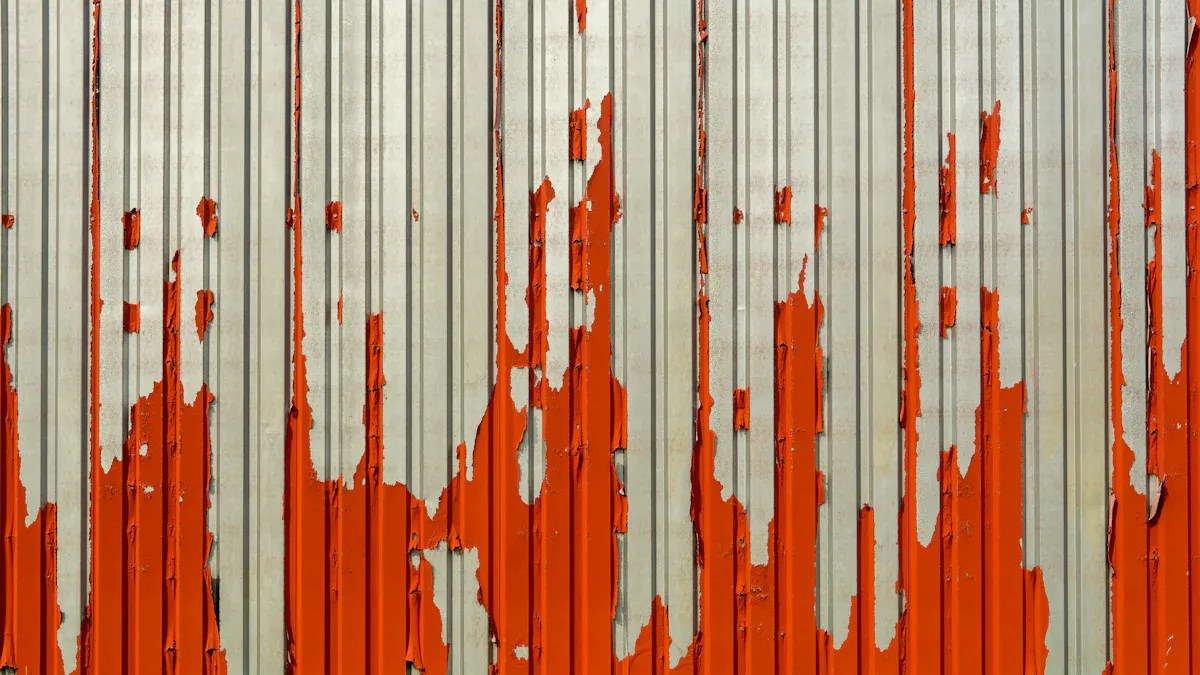
Galvanized steel has a zinc coating that makes it tough for paint to stick. You might wonder, can you paint galvanized steel and get good results? The answer is yes, but you need to follow specific steps. First, remove dirt, oil, and any residue. Next, treat the surface so paint can bond well. Skipping these steps can lead to peeling or flaking. Good preparation helps your paint last longer and look better.
Can You Paint Galvanized Steel?
You might ask, can you paint galvanized steel and expect the paint to last? The answer is yes, but you need to follow the right steps. Many experts agree that painting galvanized steel is possible when you use the correct preparation and products. For example, the HowStuffWorks guide lists a step-by-step process that includes washing, sanding, priming, and painting. These steps help the paint stick and prevent peeling. The Iowa Department of Transportation also explains that you must clean and prepare the surface before painting. They recommend removing all dirt, oil, and old paint to make sure the new paint bonds well.
Why Galvanized Steel Needs Special Preparation
Galvanized steel has a zinc coating that protects it from rust. This coating makes it hard for paint to stick. You may wonder, can you paint galvanized steel without extra steps? The answer is no. Special treatments like chromate quenching can stop rust but also block paint from bonding. Sometimes, the steel gets a phosphate layer to help paint stick better. If you skip these treatments, the paint may not hold. Dirt, oil, and other contaminants from the factory or storage can also cause problems. Cleaning with the right products, such as solvent cleaners or chemical treatments, removes these barriers. The type of steel matters too. Some steel has more silicon, which can make the zinc layer thick and brittle. This can lead to peeling if you do not prepare the surface well.
Tip: Always check if your galvanized steel has a special coating or treatment. This helps you choose the best cleaning and priming method.
What Happens If You Skip Steps
If you skip steps, you risk paint failure. Can you paint galvanized steel and ignore cleaning or priming? You might see the paint bubble, peel, or flake off soon after. Technical studies show that skipping surface preparation can cause the zinc layer to separate from the steel. This means the paint will not last. In one case, a bridge with poor preparation had its coating fail quickly. Experts had to remove loose zinc and rust, then use special primers and topcoats to fix the problem. If you want your project to look good and last, always follow the full process. Can you paint galvanized steel and get a strong finish? Yes, but only if you do not skip any steps.
How to Paint Galvanized Steel Step by Step

Painting galvanized metal requires careful preparation. If you want your paint to last, you must follow each step closely. Here are step-by-step instructions to help you get the best results.
Clean the Surface Thoroughly
You need to clean the surface before you start painting galvanized metal. Dirt, oil, and grease can stop paint from sticking. Use a mild detergent or a solvent to remove these contaminants. Rinse the steel with clean water and let it dry completely. If you see any marker, spray paint, or stubborn stains, try commercial cleaners like Kean-Strip or Motsenbockers Lift Off4. These products remove tough stains without harming the zinc coating.
Tip: Use a nylon bristle brush for scrubbing. Avoid power washing above 1450 psi, as high pressure can damage the zinc layer.
If you notice white rust (zinc oxide), you can use a mild ammonia solution or white vinegar to clean it. For heavy stains, you may need to use a mechanical method or a special rust remover. Always rinse the surface well after using any chemical cleaner. Dry the steel fully before moving to the next step. Studies show that proper cleaning keeps the zinc coating strong and helps the paint last longer. Cleaning accounts for up to 80% of painting success, so do not rush this step.
Treat the Surface for Better Adhesion
After you clean the surface, you need to treat it to help the paint stick. Galvanized steel has a smooth, shiny finish that resists paint. You can use a chemical treatment with phosphoric acid to create a rougher surface. This method, called phosphatizing, improves how well the primer bonds to the metal. Research shows that this step increases both adhesion and corrosion protection.
If you skip this treatment, the paint may peel or flake. You can also use a commercial surface treatment made for galvanized steel. These products prepare the metal for painting and help the primer grip better. If the steel is old or weathered, check for salt buildup or loss of the zinc layer. If you see red rust, you may need to use a rust converter or a special acid cleaner before painting. Always rinse and dry the steel after any treatment.
Sand Lightly and Wipe Clean
Once you treat the surface, you should sand it lightly. Use fine-grit sandpaper to scuff the surface. This step helps the primer and paint stick better. Focus on smoothing any rough spots or sharp edges. Try to round off sharp edges to a minimum radius of 2mm, as recommended by ISO 8501-3. After sanding, wipe the steel with a clean, dry cloth to remove dust.
Here is a table showing common primers and topcoats for painting galvanized metal, along with their typical dry film thickness and key features:
| Coating Type | Typical Dry Film Thickness (DFT) (microns) | Key Characteristics and Notes |
|---|---|---|
| Zinc Phosphate Primers | 30-40 | Excellent adhesion, corrosion protection |
| Epoxy Primers | 50-75 | High-build, chemical resistance |
| Water-Based Acrylic Primers | 25-35 | Rapid drying, low VOC |
| Direct-to-Metal Primers | 50-75 | Primer and topcoat combined, simplifies process |
| Two-Pack Polyurethane Topcoats | 50-75 | Durable, UV resistant, high gloss |
| Acrylic Urethanes | 40-60 | Good durability and color retention |
| High-Build Epoxies | 75-150 | Chemical and abrasion resistance, interior use |
| Water-Based Polyurethanes | 40-60 | Environmentally friendly, reduced VOC |
| Polysiloxane Coatings | 75-100 | Abrasion resistant, excellent gloss and color |
You can now move on to priming and painting. If you follow each method carefully, you will get a strong, lasting finish. The painting process works best when you clean, treat, and sand the steel before applying any paint. This approach is the key to learning how to paint galvanized steel and how to paint galvanised steel for any project.
Apply Primer for Galvanized Metal
You need to prime galvanized metal before you paint it. This step helps the paint stick and protects the steel from rust. If you skip priming, the paint may peel or flake off quickly. Many experts agree that you should always use a primer made for galvanized surfaces.
When you prepare to paint galvanised steel, make sure the surface is clean and dry. ASTM D 6386 recommends that you apply primer within one hour after cleaning. If you wait too long, the steel can start to oxidize. This oxidation makes it harder for the primer to bond. You should never leave the cleaned metal uncoated for more than eight hours.
Tip: Always check the label on your primer. Look for products that say “for galvanized metal” or “zinc-rich.” These primers work best for painting galvanized metal.
Testing by coating experts shows that the right primer makes a big difference. Laboratories use special tests to check if primers stick well and last long. For example, experts use gas chromatography and infrared tools to make sure the primer has the right chemicals. These tests help prevent mistakes and make sure you get the best results. Case studies show that when you follow the method and use the correct primer, your paint job lasts much longer.
You can choose from several types of primers:
- Zinc-rich primers: These give extra protection and help the paint bond.
- Epoxy primers: These work well for tough jobs and resist chemicals.
- Acrylic primers: These dry fast and are easy to use.
If you need to prime galvanized metal, always follow the instructions on the can. Use a brush, roller, or spray for even coverage. Let the primer dry fully before you move to the next step. This step is key if you want to paint galvanised steel and have it look good for years.
Paint Galvanized Steel with the Right Topcoat
After you prime the surface, you can paint galvanized steel with a topcoat. The topcoat gives color and extra protection. You should pick a paint that matches your primer and is made for metal. If you use the wrong paint, it may not stick or could fade fast.
Industry reports show that topcoats work best when you use them with the right primer. The U.S. Army tested many paint systems on galvanized steel. They found that cleaning, priming, and using a strong topcoat gave the best results. Tests like the GM 9540P and gravelometer chip resistance show that epoxy-based coatings last longer and resist damage. These tests prove that you need to use a full system—clean, prime, and paint—to protect the steel.
Note: Waterborne base coats often stick better and protect against rust more than solvent-based paints. Zinc-rich primers and matching topcoats give the best results for painting galvanized metal.
When you paint galvanised steel, you can choose from several topcoats:
- Acrylic urethane: This type gives a glossy finish and resists fading.
- Epoxy topcoat: This works well for heavy-duty use and protects against chemicals.
- Water-based polyurethane: This is good for the environment and dries quickly.
Always check that your topcoat matches your primer. Some paints do not work well with certain primers. Paint suppliers can help you pick the right products. If you follow each step and use the right method, your paint job will last longer and look better.
Callout: For the best results, apply the topcoat soon after the primer dries. This helps the paint bond and keeps out moisture.
You now know how to paint galvanised steel for a strong, lasting finish. Careful priming and the right topcoat protect your project from rust and wear.
How to Paint Galvanized Metal: Choosing the Right Products
Best Cleaners and Surface Treatments
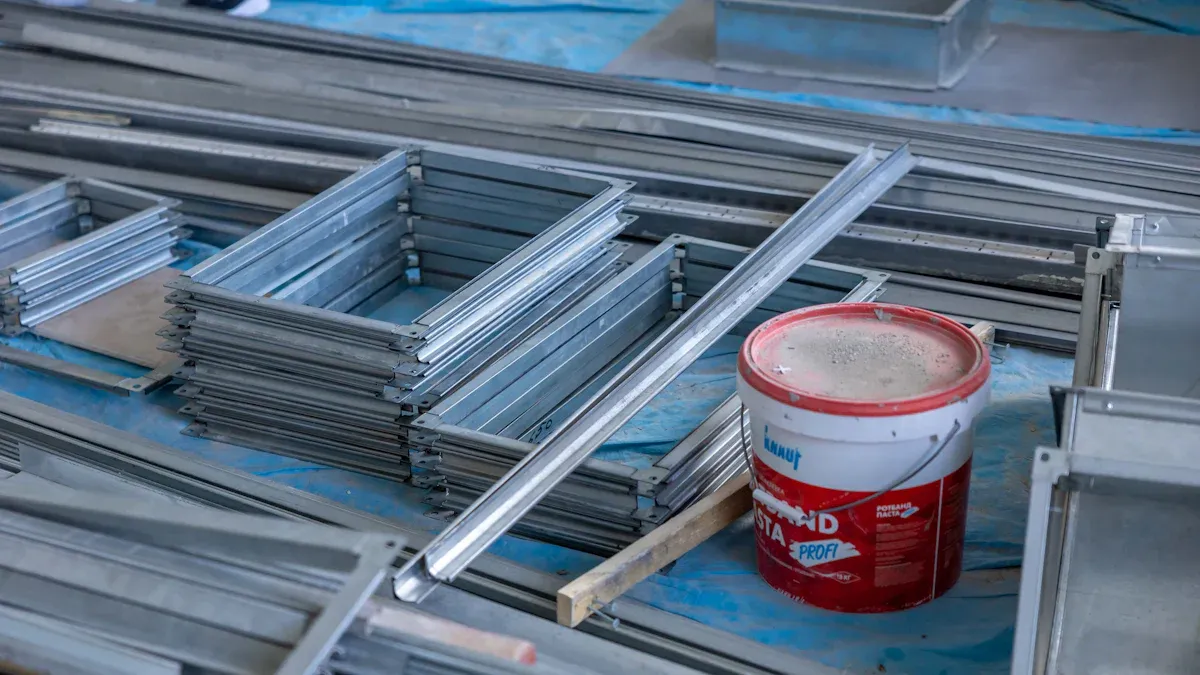
When you start learning how to paint galvanized metal, you need to pick the right cleaners and treatments. Cleaning removes oil, dirt, and old coatings. You can use mild detergents, but for tough stains, try a commercial degreaser or a product made for galvanized surfaces. Some experts use advanced methods like air-plasma cleaning. This process uses special equipment to clean and activate the metal. After cleaning, you may want to use a surface treatment. Phosphoric acid-based solutions help roughen the surface so paint sticks better. For extra protection, some professionals apply a zinc nanopowder film and cure it with heat. This step can make the surface more water-repellent and durable. Always rinse and dry the metal before moving to the next step.
Tip: Always wear gloves and eye protection when using chemical cleaners or treatments.
Recommended Primers for Galvanized Steel
Choosing the right primer is one of the most important supplies for painting galvanized metal. Zinc-rich primers work well because they contain a high percentage of zinc dust. These primers help protect the steel and meet new rules like Build America Buy America. Inorganic zinc-rich primers use a strong resin that resists sunlight and weather. Scientific studies show that these primers can even improve their grip on the metal over time. You can also use epoxy or acrylic primers, but always check the label to make sure they are made for galvanized steel. If you want a lower carbon footprint, zinc-rich primers use zinc more efficiently than other methods.
Here is a quick list of primer types:
- Zinc-rich primers (best for long-term protection)
- Epoxy primers (good for chemical resistance)
- Acrylic primers (fast drying and easy to use)
Topcoats That Work Best
After priming, you need to choose the type of paint to use on galvanised metal. Topcoats protect the primer and give your project color and shine. Many experts trust products that meet MPI Performance Standards, such as MPI #158 or MPI #131. These standards mean the paint has passed strict lab tests for sticking power and durability. You can find approved products on the MPI lists. Acrylic urethane and epoxy topcoats work well for outdoor use. Water-based polyurethanes are good for the environment and dry quickly. Manuals like the MPI Architectural Specification Manual give more details about which topcoats last longest.
- Acrylic urethane: glossy and fade-resistant
- Epoxy: tough and chemical-resistant
- Water-based polyurethane: eco-friendly and fast-drying
Note: Always match your topcoat to your primer for the best results.
Tips for How to Paint Galvanised Steel Like a Pro
Common Mistakes to Avoid
You can achieve a professional finish on galvanized steel if you avoid common errors. Many people skip surface preparation, which leads to poor paint adhesion. If you do not clean the steel well, oils, dirt, and salts can stay on the surface. These contaminants stop the paint from sticking and cause peeling. Experts highlight that using the wrong primer or skipping primer altogether often results in early coating breakdown. You should always select a primer made for galvanized surfaces, such as oil-based primers like Rustoleum or special automotive primers.
Another mistake is ignoring the factory coating on new galvanized steel. This coating can react with paint resins and cause adhesion problems. You need to remove oily or waxy mill treatments before painting. If you see rust, clean it carefully. Do not expose raw steel, as this can lead to more corrosion. Always check the surface condition and follow the right cleaning and profiling steps. Case studies show that most failures happen when people rush or skip these steps.
Tip: Take your time with preparation. Good cleaning and the right primer make your paint job last much longer.
How to Make the Paint Last Longer
You can extend the life of your paint by following a few key steps. Start by cleaning the steel thoroughly. Use a mild detergent or a degreaser to remove all contaminants. For extra adhesion, wipe the surface with white vinegar. This non-toxic treatment helps the paint bond better.
Choose your primer and topcoat based on the environment. Acrylic latex paint works well with a primer, but some paints can go directly onto the metal. Avoid alkyd-based paints, as they do not stick well to galvanized steel. For older or weathered steel, etch primers or T-Wash solutions improve adhesion. Sweep blasting at low pressure can also create a better surface for paint.
- Clean and dry the steel before painting.
- Use the right primer for galvanized metal.
- Match your topcoat to your primer.
- Apply paint soon after priming to prevent oxidation.
Remember: Careful preparation and product choice help your paint resist peeling, fading, and rust for years. 🛡️
You can achieve a long-lasting, professional finish on galvanized steel by following each step carefully. Clean the surface, treat it for better adhesion, apply the right primer, and use a suitable topcoat.
Take your time with preparation. Rushing leads to peeling and wasted effort.
- Choose products made for galvanized metal.
- Use proper techniques for each stage.
- Enjoy a paint job that looks great and stands up to the elements. 🎨
FAQ
Can you paint galvanized steel without primer?
You should not skip primer. Paint will not stick well to bare galvanized steel. Primer helps the paint bond and protects the metal from rust.
How long should you wait between coats?
You need to follow the product label. Most primers and paints dry in 1 to 4 hours. Always let each coat dry fully before adding another.
What kind of paint works best on galvanized steel?
Choose acrylic latex, epoxy, or polyurethane paints. These types stick well and last longer. Avoid alkyd or oil-based paints because they may peel.
Do you need to sand galvanized steel before painting?
You should sand lightly after cleaning and treating the surface. Sanding helps the primer and paint grip the metal. Use fine-grit sandpaper for best results.
How do you fix peeling paint on galvanized steel?
- Remove loose paint with a scraper or wire brush.
- Clean the surface.
- Sand lightly.
- Reapply primer and paint.
Tip: Always fix peeling spots quickly to stop rust from spreading.